Food BUMDs: Guarding Price Stability Against El Niño
Reported by Fakhrizal Fakhri | Translated by Nugroho Adibrata
Jakarta City Council Commission B Member, M Taufik Zoelkifli assessed that Jakarta's administration must bolster the role of its food-related state enterprises (BUMD) to keep prices stable, particularly with the 'Godzilla El Niño' expected between April and October 2026.
Regional reserves must be active
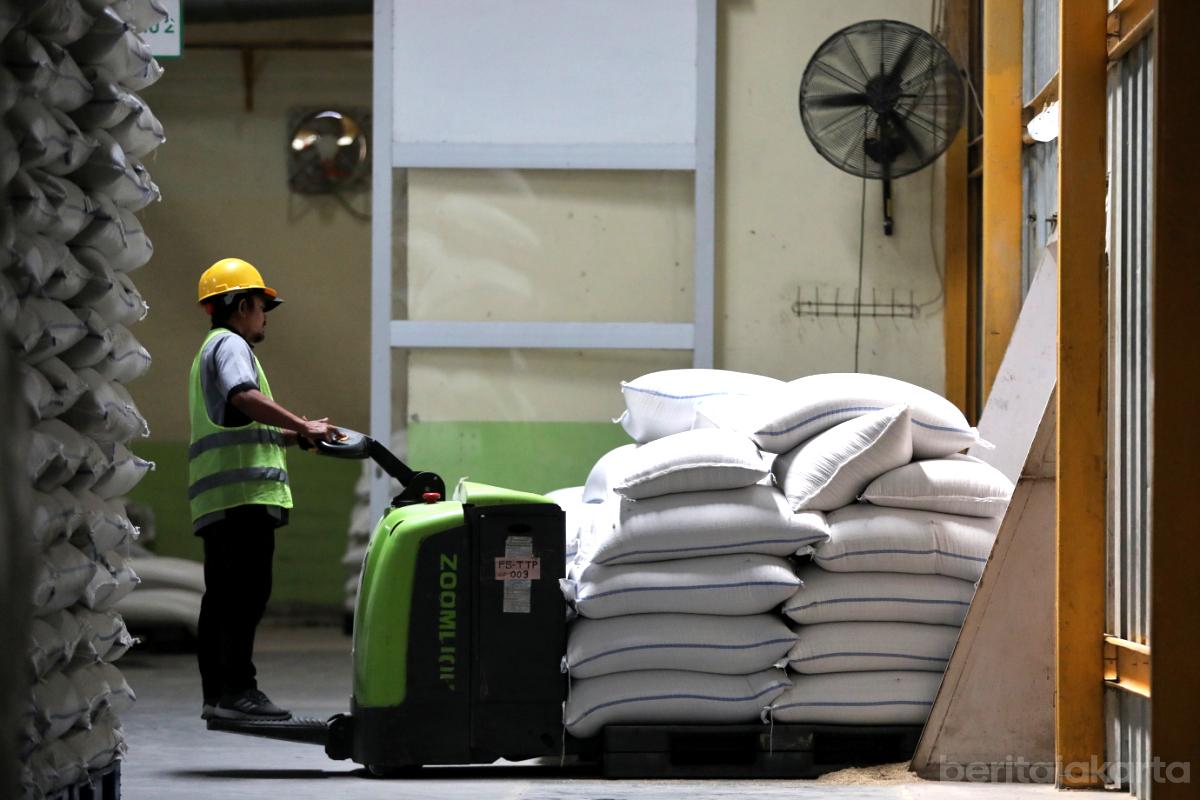
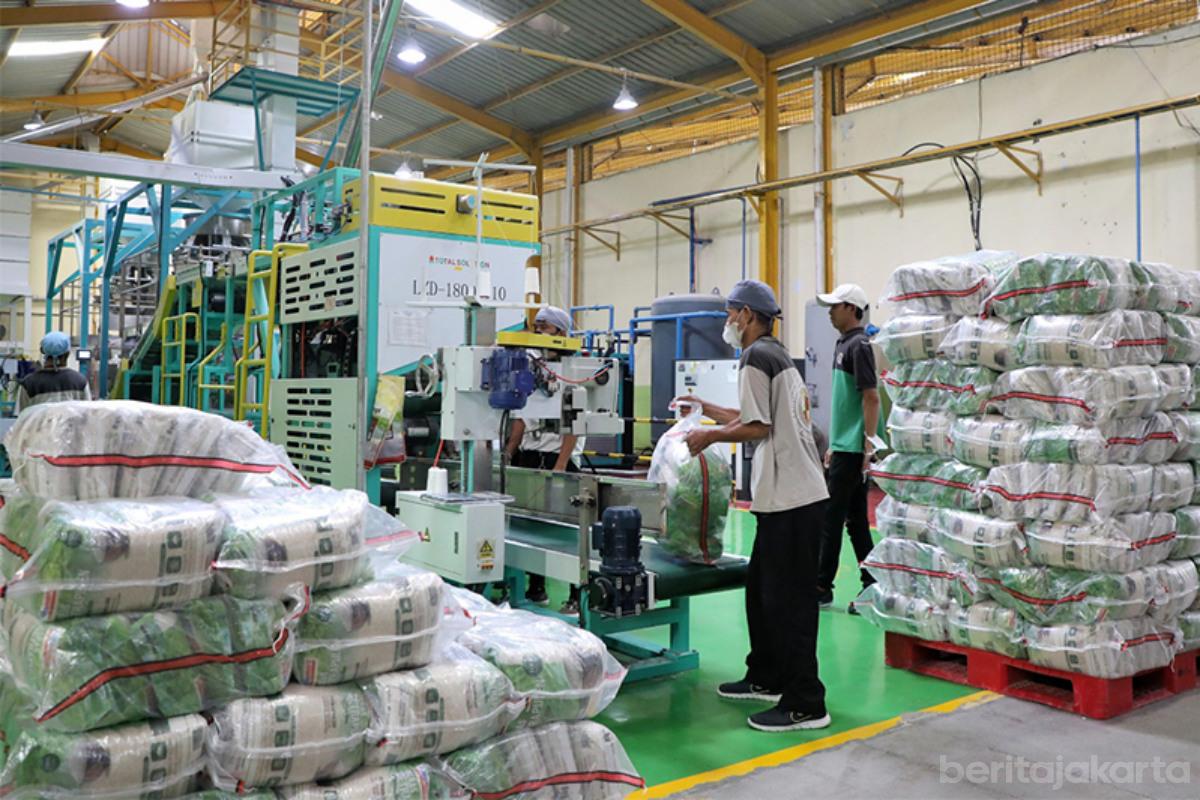
He argued that BUMDs like Food Station need to evolve beyond being simple rice traders to become genuine price stabilizers.
"Food BUMDs shouldn't just act as traders—they need to be price controllers so that the community benefits from stable costs," he expressed, Saturday (4/18).
Jakarta Prepares Tax Relaxation Facing Global Geopolitics and El NiñoThe first step, he explained, is strengthening regional food reserves. These reserves should not be passive but must be managed dynamically and tactically.
When prices begin to rise, reserves should be released to the market immediately. On the other hand, when prices drop, stock can be held to keep the market balanced.
"Regional reserves must be active. We intervene by releasing stock when prices rise and holding it when they fall," he explained.
Additionally, Taufik encouraged establishing medium-term supply contracts with producing regions. This move is essential to prevent Jakarta from relying on the spot market, especially during shortages.
This scheme ensures rice supplies are locked in even before the harvest starts.
"Through cooperation with producing regions, we gain supply certainty before harvest time. This helps avoid a scramble for goods in the market when a crisis occurs," he added.
He further stressed the need to diversify food supply sources. According to him, Jakarta cannot afford to depend on just one production area and should instead have alternatives across multiple regions.
"This way, if one area suffers a harvest failure or drought, we still have backup supplies from elsewhere," he remarked.
On the downstream side, food distribution needs to be bolstered by expanding subsidized market operations and leveraging digital distribution systems to curb price speculation.
Ultimately, he emphasized that Jakarta’s food system must transform from being reactive to becoming more anticipatory and adaptive.
"Jakarta cannot afford to be merely reactive. We must build a food system that is anticipatory and adaptive to various challenges, including El Niño," he asserted.